How to Write a Reflection Paper That Actually Gets You an A
Reflection papers are the wild cards of college writing. Unlike research essays with clear citation rules or lab reports with rigid structures, reflections ask you to turn inward and examine your own thinking. This freedom terrifies some students and liberates others. The difference between a mediocre reflection and an outstanding one isn’t your life experience—it’s how thoughtfully you analyze that experience.
Professors assign reflections because they want evidence of genuine learning, not just content consumption. Anyone can summarize a reading. The students who earn top grades demonstrate how the material changed their perspective, challenged their assumptions, or connected to their broader understanding of the world.
Understanding What Professors Really Want
Before writing, decode the assignment. “Reflection” means different things in different contexts:
- Personal reflection focuses on your experience and emotional response
- Academic reflection analyzes how course concepts apply to real situations
- Critical reflection examines assumptions and biases you didn’t know you had
- Experiential reflection connects practical experiences to theoretical frameworks
Check whether your professor wants a first-person narrative (“I felt,” “I realized”) or analytical distance. Some want raw honesty; others prefer structured analysis. When in doubt, ask.
Regardless of style, strong reflections share common traits. They move beyond description into analysis. They show specific evidence of change or growth. They connect personal experience to broader concepts. And they demonstrate metacognition—thinking about your own thinking.
The Structure That Works
Unlike five-paragraph essays, reflections need organic structures that mirror your intellectual journey. However, this doesn’t mean chaos. Use this flexible framework:
Opening: The Hook and Context
Start with a specific moment, not a general statement.
Weak: “This course taught me a lot about leadership.”
Strong: “When my group project collapsed three days before the deadline, I realized everything I thought I knew about leadership was wrong.”
Establish what you’re reflecting on and why it matters. Give readers enough context to understand the significance without overwhelming them with background.
Middle: The Analysis
This is where most students fail. They describe what happened instead of analyzing why it matters. For every descriptive sentence, you need analytical sentences that examine:
- What assumptions were challenged?
- How did your perspective shift?
- What connections emerge between this experience and course concepts?
- What would you do differently, and why?
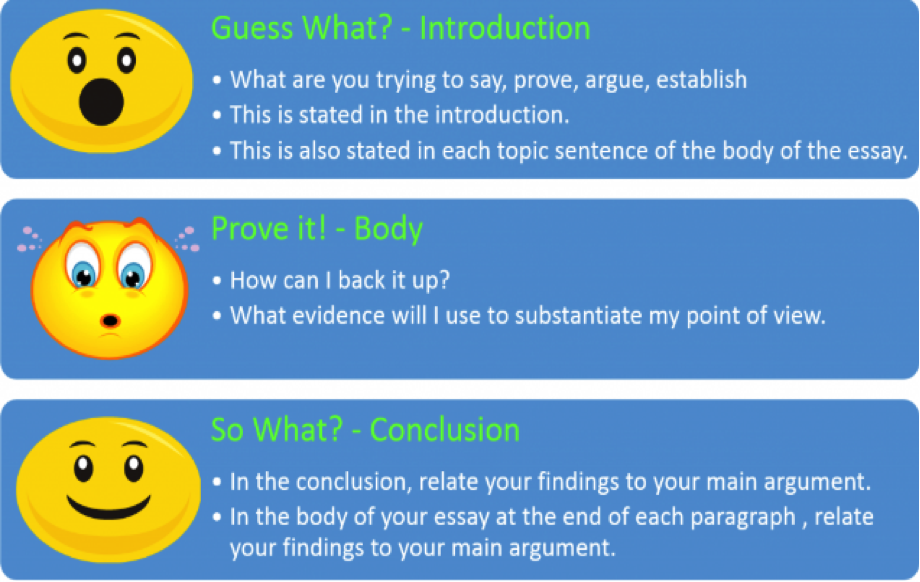
Use the “So What?” test repeatedly. You felt frustrated—so what? You learned teamwork matters—so what? Push until you reach insights that surprise you.
Closing: The Integration
Don’t just summarize. Articulate how this reflection changes your future approach. What questions remain? How will this understanding affect your next experience? Strong endings leave readers with a sense of ongoing intellectual development, not neat resolution.
Writing Techniques That Elevate Your Paper
1. Show, Don’t Just Tell
Weak: “I was nervous about the presentation.”
Strong: “My hands shook so badly I dropped my note cards, and when I tried to make eye contact, I fixated on a spot above everyone’s heads instead.”
Specific details make reflections credible and engaging. They demonstrate authenticity that generic statements lack.
2. Balance Personal and Academic
The best reflections seamlessly weave together personal narrative and course concepts. When discussing a volunteer experience, reference specific theories from your sociology readings. When analyzing a failure, connect to psychological research on a growth mindset.
This integration shows you’re doing more than journaling; you’re applying academic frameworks to lived experience.
3. Embrace Discomfort
Powerful reflections often explore confusion, failure, or challenged beliefs. Students who only write about successes and clear lessons miss opportunities for genuine insight. Professors value intellectual honesty over polished narratives.
If you’re still processing an experience, say so. Uncertainty thoughtfully examined beats false certainty every time.
Common Mistakes to Avoid
1. The Summary Trap
Spending two pages describing an internship and one paragraph reflecting on it. Description should serve analysis, not replace it.
A good rule: never describe without immediately analyzing significance.
2. The Epiphany Problem
Suddenly, complete transformations feel manufactured. Real learning is messy, partial, and ongoing. Show gradual shifts, false starts, and continuing questions rather than overnight conversions.
3. Vague Generalizations
Phrases like “I learned so much” or “This changed my perspective” mean nothing without specifics. What exactly did you learn? How specifically did your perspective change? Concrete evidence transforms empty claims into credible analysis.
4. Ignoring the Assignment
Some students treat reflections as opportunities to share unrelated opinions or vent frustrations. Stay focused on the specific experience or material assigned. Tangential rants about unrelated issues demonstrate a lack of engagement, not critical thinking.
Revision Strategies
1. The Distance Test
Put your draft away for 24 hours, then read it fresh. Does your analysis still hold up? Do you spot moments where you describe instead of analyze? Fresh eyes catch lazy thinking.
2. The Voice Check
Read your reflection aloud. Awkward phrasing, unclear logic, and pretentious vocabulary become obvious when spoken. If you wouldn’t say it to a friend, don’t write it.
3. The Evidence Audit
Highlight every claim you make about your learning or perspective shift. Can you point to specific evidence supporting each claim? If not, develop the analysis or remove the claim.
4. The “So What?” Challenge
Ask this question after every paragraph. If you can’t answer compellingly, revise until the significance becomes clear.
When You Need Additional Support
Reflection writing is deceptively difficult. The apparent simplicity—just write about your experience—masks sophisticated intellectual demands. Many students struggle to move beyond description into genuine analysis, or they feel uncomfortable with the personal disclosure that reflections sometimes require.
If you’re stuck, consider what successful reflections in your specific discipline look like. Nursing reflections differ from business reflections, which differ from education reflections. Each field has conventions regarding appropriate disclosure, theoretical integration, and analytical depth.
For professional tips, explore this article on how to write a good reflection paper at https://www.masterpapers.com/blog/how-to-write-a-good-reflection-paper.
FAQ
How personal should my reflection be?
Honest but professionally appropriate. Share genuine struggles and growth without oversharing private details. Focus on intellectual and professional development.
Can I reflect on a failure or mistake?
Yes, failures often generate the deepest reflection. Analyze what went wrong and how you grew rather than simply describing what happened.
How do I avoid being too descriptive?
Follow the 1:3 ratio: one sentence describing what happened for every three sentences analyzing significance, implications, and personal change.
Should I use “I” in reflection papers?
Yes—first-person voice is standard and expected. Maintain analytical tone by explaining what you thought and why, not just what you felt.
Final Thoughts
Reflection papers reward courage—the courage to examine your own thinking honestly, to admit uncertainty, and to show your intellectual evolution in progress. They ask you to be both subject and scientist, experiencing and analyzing simultaneously.
Those students who excel don’t have more dramatic experiences. They simply think more deeply about their experiences. They ask harder questions of themselves. They connect specific moments to larger patterns. And they write with enough specificity and honesty that readers trust their insights.
Approach your next reflection as an opportunity for genuine discovery. You might be surprised by what you learn about yourself, and your professor will appreciate reading something authentic in a sea of generic responses.