How to Write Assignments That Score High in 2026
High-scoring assignments do not happen by accident. They result from clear planning, disciplined execution, and attention to what markers actually value. Whether you are writing an essay, report, case study, or analysis, the difference between average and excellent work lies in your process. This guide breaks down that process into manageable steps that produce consistent results.
Why Process Matters More Than Talent
Many students believe strong writers simply have natural ability. This is a misconception. Strong writers have reliable systems. They know how to break assignments into stages, manage time, and meet academic expectations. These skills can be learned.
Writing without a system creates predictable problems. You miss the requirements. You run out of time for editing. You submit work that does not answer the question asked. A structured approach prevents these failures before they occur.
Understanding What Markers Want
Academic markers evaluate assignments against specific criteria. Understanding these criteria shapes everything you do.
| Criterion | What It Means | How to Demonstrate It |
| Knowledge | Understanding of concepts and theories | Accurate definitions, relevant examples, proper terminology |
| Analysis | Breaking ideas into components and examining relationships | Comparison, contrast, cause-and-effect reasoning |
| Evaluation | Judging strengths, weaknesses, and significance | Balanced assessment with evidence-based conclusions |
| Structure | Logical organization and clear flow | Introduction with thesis, coherent paragraphs, purposeful conclusion |
| Research | Use of credible, relevant sources | Primary sources, recent scholarship, proper citation |
| Presentation | Grammar, formatting, professionalism | Proofreading, correct style guide, clean layout |
Remember:
- High scores require strength across all categories
- Excellent analysis cannot compensate for missing sources
- Perfect grammar does not hide weak argumentation
Step-by-Step Assignment Creation
Step 1: Deconstruct the Question
Read the assignment brief carefully. Identify what is required from you: analysis, evaluation, comparison, or discussion. Each demands different treatment.
Underline key terms. Note specific requirements: word count, source minimums, formatting style. Check the rubric if provided. It reveals exactly how marks are allocated.
Ineffective approach: Starting research immediately and hoping to clarify the question later.
Effective approach: Spending thirty minutes defining what success looks like.
Step 2: Research Strategically
Begin with broad sources to map your field. Textbooks and review articles provide an overview. Then move to specific, recent scholarship.
Take notes systematically. Record full citations immediately—reconstructing sources later wastes hours. Summarize arguments in your own words. Note page numbers for direct quotes.
Stop researching when you see repetition. New sources should add something fresh. If they merely confirm what you have, you have enough material.
Step 3: Build Your Argument
Synthesize research into your own position. High-scoring assignments do not just report what others say. They construct original arguments using evidence.
Create a working thesis. This is your central claim—the answer to the assignment question that you will defend.
Test your thesis against your research. Can you support it with specific evidence? Does it address all parts of the question? Refine until it is specific, arguable, and clear.
Step 4: Outline Thoroughly
Transform your thesis into a complete structure.
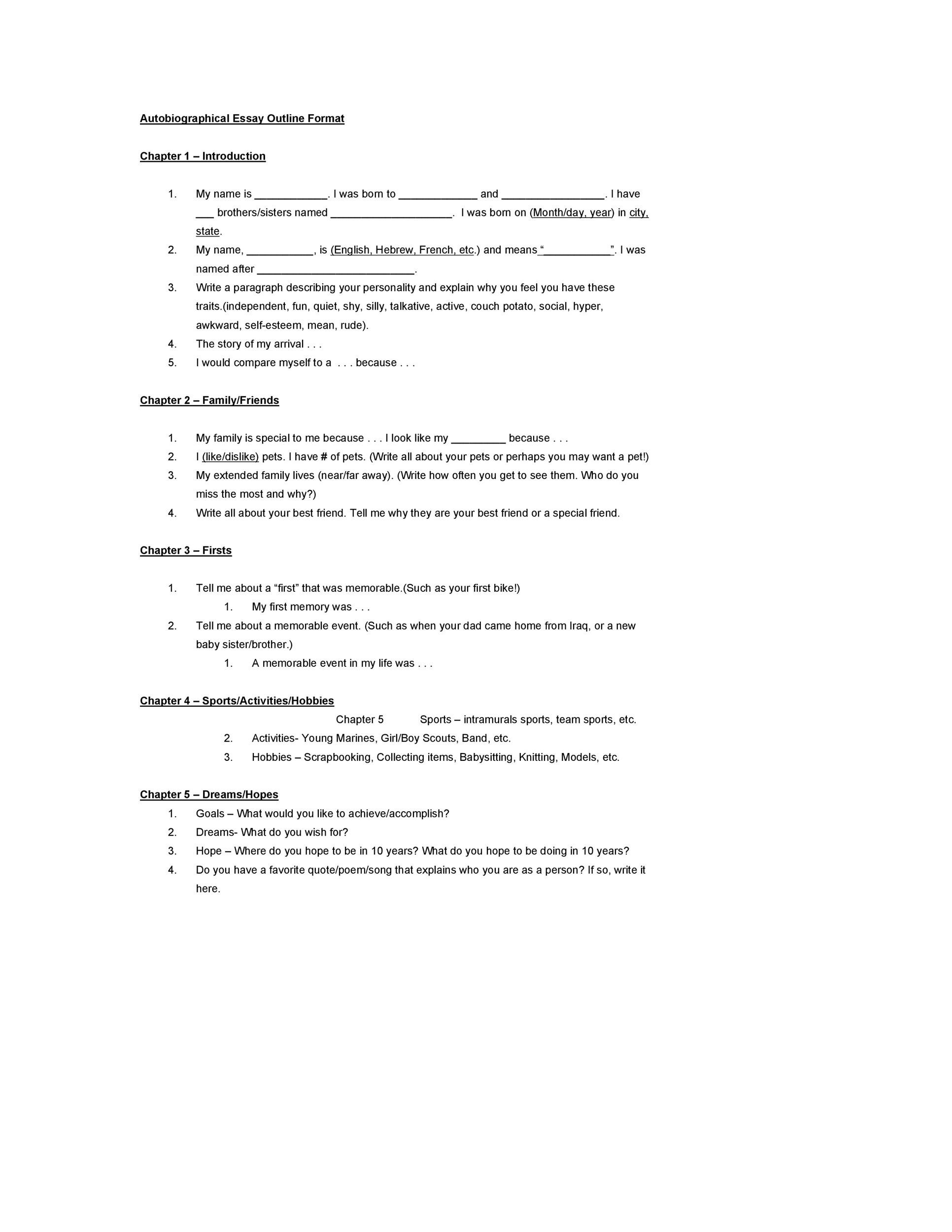
Introduction
- Hook: Introduce the topic and engage the reader’s interest
- Context: Background needed to understand your argument
- Thesis: Your position and main supporting points
Body Paragraphs (number varies by word count)
- Topic sentence: Paragraph’s specific contribution to thesis
- Evidence: Data, quotes, examples from research
- Analysis: Your explanation of why the evidence supports your claim
- Transition: Logical bridge to next paragraph
Conclusion
- Restate thesis: Same claim, fresh wording
- Synthesize main points: Show how they work together
- Extend significance: Broader implications or applications
Detailed outlines prevent mid-writing confusion. They reveal weak evidence or logical gaps, while fixing them remains easy.
Step 5: Draft Efficiently
Follow your outline closely. Expand bullet points into full paragraphs. Do not aim for perfection—aim for completeness.
Write your introduction last if you struggle with openings. Many writers find that their thesis is clarified only after drafting body paragraphs.
Include citations as you write. Marking placeholders creates errors later. Use your citation manager or manual system consistently.
Ignore your inner critic during drafting. Editing comes later. Stopping to polish sentences slows momentum and fragments the argument.
Step 6: Revise Substantively
Set your draft aside for at least a day. Return with fresh eyes.
Check global issues first:
- Does every paragraph support your thesis?
- Is the argument logical and complete?
- Have you answered all parts of the assignment question?
- Is the evidence sufficient and properly integrated?
Then examine paragraphs individually:
- Does each have a clear topic sentence?
- Is the analysis present, or merely a description?
- Are transitions smooth?
Move sections if necessary. Cut repetition. Add evidence where the argument feels thin.
Step 7: Edit and Proofread
Focus on sentence-level clarity. Read aloud to catch awkward phrasing. Check for:
- Grammar and punctuation errors
- Consistent tense and voice
- Proper citation format
- Word count compliance
- Formatting requirements
Use spell-check, but do not trust it completely. It misses wrong-word errors like “their” for “there.”
Ask a friend to read if possible. Fresh readers spot unclear passages that you have read too often to see.
Common Mistakes That Lower Marks
Ignoring the question. Students often write what they know rather than what was asked. Always check your draft against the original question.
Descriptive writing. Summarizing sources without analyzing them produces mediocre scores. Explain the significance. Make connections. Evaluate.
Weak structure. Disorganized assignments frustrate markers. Clear structure guides readers through your thinking.
Poor time management. Rushed work shows. Start early. Build in buffer time for unexpected problems.
Neglecting presentation. Formatting errors and typos suggest carelessness. They undermine credibility even in strong arguments.
When You Need Additional Support
Complex assignments sometimes require expert guidance. If you are struggling with research direction, argument structure, or time constraints, professional assistance can help you meet academic standards. You can order assignment writing service 99papers for support with topic brainstorming, drafting, and ensuring your work meets institutional requirements.
Frequently Asked Questions
How early should I start an assignment?
Begin when you receive the brief. Early starts allow time for unexpected research gaps, thinking periods, and proper revision. Last-minute work sacrifices the analysis and polish that distinguish high scores.
What if my research contradicts my thesis?
Adjust your thesis. Strong assignments follow evidence, not predetermined conclusions. Acknowledge complexity. Nuanced arguments that address counterevidence score higher than simple claims that ignore inconvenient facts.
How many sources should I use?
Follow your assignment guidelines. Generally, undergraduate essays need 8-12 substantial sources. Graduate work requires more. Quality matters more than quantity—one seminal study outweighs five weak references.
Can I use the first person in academic assignments?
Depends on the discipline and the assignment type. Sciences and formal reports often prefer the third person. Reflective pieces and some humanities essays permit “I.” Check your unit guide or ask your instructor if uncertain.
High-scoring assignments result from systematic work: understanding requirements, strategic research, clear argumentation, thorough outlining, careful drafting, and rigorous revision. No single step guarantees success. But combined, they produce work that meets and exceeds academic standards. Start early. Plan carefully. Execute deliberately. The marks follow naturally.