Smart Paper Writing Strategies for College Success in 2026
The academic landscape has shifted dramatically. AI tools are everywhere, professors are more vigilant than ever, and the pressure to produce original, high-quality work hasn’t disappeared—it’s evolved. Whether you’re a freshman facing your first research paper or a senior tackling your thesis, you need strategies that work in today’s environment. Here’s your practical guide to writing papers that earn top grades without risking your academic integrity.
Understanding the 2026 Academic Landscape
Let’s be honest about where we stand. Universities have spent the last three years refining their approach to AI-generated content. Detection systems are more sophisticated, professors are more skeptical, and the “easy shortcuts” of 2023 no longer exist. But here’s the good news: students who adapt to these changes and develop genuine writing skills have a massive advantage. While others waste energy trying to outsmart detection software, you can focus on building expertise that actually matters.
The students thriving in 2026 share common traits. They understand that writing is thinking made visible. They use technology as a tool, not a crutch. And they approach each assignment as an opportunity to develop expertise, not just check a box.
Pre-Writing: Setting Yourself Up for Success
Start with Real Sources, Not AI Summaries
The biggest mistake students make is asking ChatGPT to “explain” their topic before they’ve done any real research. This creates a filtered, often inaccurate foundation. Instead, begin with academic databases such as JSTOR and Google Scholar, or your library’s resources. Read actual peer-reviewed articles. Take notes by hand or in a document where you summarize ideas in your own words immediately.
This early investment pays off. When you understand your sources deeply, your arguments become sharper and more original. You can spot flaws in AI-generated summaries because you’ll know what the research actually says.
Create a Living Outline
Don’t just outline once and stick to it rigidly. Build a flexible structure that evolves as you learn. Start with your thesis question, list potential supporting points, and leave room for surprises. Good research often leads you to unexpected conclusions—rigid outlines kill that discovery process.
Use digital tools like Notion, Obsidian, or even simple Google Docs to create outlines that grow. Link to sources, add quotes with proper citations immediately, and organize by themes rather than forcing a predetermined structure.
The Writing Process: Building Your Authentic Voice
Write the Messy First Draft Without Judgment
Perfectionism kills productivity. Your first draft should be rough, exploratory, and honest. Don’t worry about sounding academic yet. Instead, focus on getting your ideas down. Use the language that comes naturally to you. If you don’t understand a concept well enough to explain it simply, that’s a signal you need more research, not fancier vocabulary.
Many successful students use the “voice memo” technique when stuck. Record yourself explaining your argument as if talking to a friend, then transcribe it. This captures your natural analytical voice, which you can then polish into formal academic prose.
Integrate Sources Strategically
Your paper shouldn’t read like a string of quotes connected by your transitions. Each source should serve a specific purpose:
- Evidence sources provide data or examples that support your claims
- Methodology sources explain how researchers approached similar questions
- Theoretical sources offer frameworks for interpreting your findings
- Counter-argument sources strengthen your position by addressing opposition
When you introduce a source, explain why it matters to your specific argument. Don’t just drop quotes; interpret them. Show your reader how the evidence connects to your thesis.
Using AI Tools Responsibly in 2026
The Transparency Principle
If your institution allows AI assistance, disclose how you used it. Many professors now include AI policies in their syllabi specifying acceptable uses. Common permitted applications include:
- Generating brainstorming ideas (with verification)
- Checking grammar and style
- Explaining complex terminology
- Creating study aids from your own notes
The Verification Rule
Never trust AI-generated information without checking it. AI models still hallucinate sources, misinterpret data, and present outdated information as current. Every fact, statistic, and citation suggested by AI needs independent verification through reliable sources.
The Enhancement vs. Replacement Test
Ask yourself: Is this AI tool helping me express my own ideas better, or is it doing the thinking for me? If you can’t explain the concept in your own words without the AI’s help, you’re using it wrong.
Revision Strategies That Actually Work
1. The 24-Hour Rule
Never submit a paper you finished an hour ago. Put it away for at least a day, then reread with fresh eyes. You’ll catch awkward phrasing, logical gaps, and unclear arguments that seemed fine when you were deep in writing mode.
The Reverse Outline Test
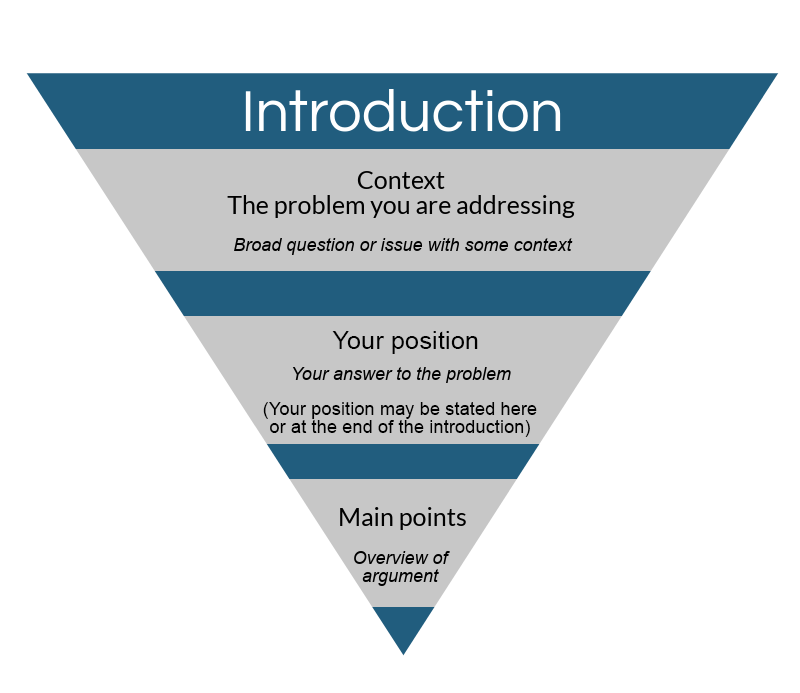
After completing your draft, create a new outline based only on what you actually wrote—not what you intended to write. Does the structure make sense? Does each paragraph support your thesis? Are there sections that wander off-topic? This reveals organizational problems that are invisible when you’re immersed in the text.
2. The Citation Audit
Go through your paper and verify every single citation. Can you access the original source? Do the page numbers match? Are the quotes accurate? Sloppy citations are red flags for professors and can trigger plagiarism investigations even when unintentional.
Time Management for Complex Projects
The Two-Week Research Paper Schedule
| Timeline | Activity |
| Days 1-3 | Source gathering and initial reading |
| Days 4-5 | Outline development and thesis refinement |
| Days 6-8 | First draft writing |
| Days 9-10 | Revision and peer review |
| Days 11-12 | Final polish and citation check |
| Days 13-14 | Buffer for unexpected complications |
This schedule prevents the all-nighter panic that leads to poor decisions and sloppy work. It also gives you time to consult with professors during office hours if you hit roadblocks.
When You Need Extra Support
Sometimes, despite your best efforts, you need additional help. Maybe you’re juggling multiple deadlines, dealing with personal challenges, or facing a topic that’s genuinely beyond your current expertise. In these situations, knowing where to find legitimate academic support matters.
Many students benefit from working with professional writing services that provide model papers, research assistance, and editing support. These services can help you understand complex assignment requirements, develop stronger arguments, and improve your writing skills through examples of high-quality academic work. The key is choosing services that prioritize learning and integrity over simply delivering finished papers.
If you’re considering professional support, look for providers with transparent processes, qualified writers with advanced degrees, and a focus on using their work as educational resources rather than submission-ready products. For students seeking reliable academic assistance from a trusted provider, expert paper writing service 99papers offers comprehensive support ranging from research guidance to editing services, helping you develop the skills needed for long-term academic success.
Building Long-Term Writing Skills
The strategies above aren’t just about surviving your current semester. They’re about developing capabilities that serve you throughout your career. Clear writing reflects clear thinking. Research skills translate to any field. The ability to synthesize complex information and present it persuasively is valuable whether you become a scientist, business leader, teacher, or entrepreneur.
Every paper you write is practice for the communication challenges ahead. Treat it as skill-building rather than obstacle-avoidance, and you’ll find that academic writing becomes less stressful and more rewarding.
FAQ
When should I start working on a research paper?
Begin serious work at least two weeks before the deadline. Top students start earlier, allowing time for deep research, multiple revision cycles, and consultation with professors during office hours.
Can I use AI to help write my paper?
Many professors allow AI for brainstorming, grammar checking, and explaining concepts, but policies vary. Always check your syllabus, disclose any AI use, and never submit AI-generated text as your own writing.
How do I know if my thesis is strong enough?
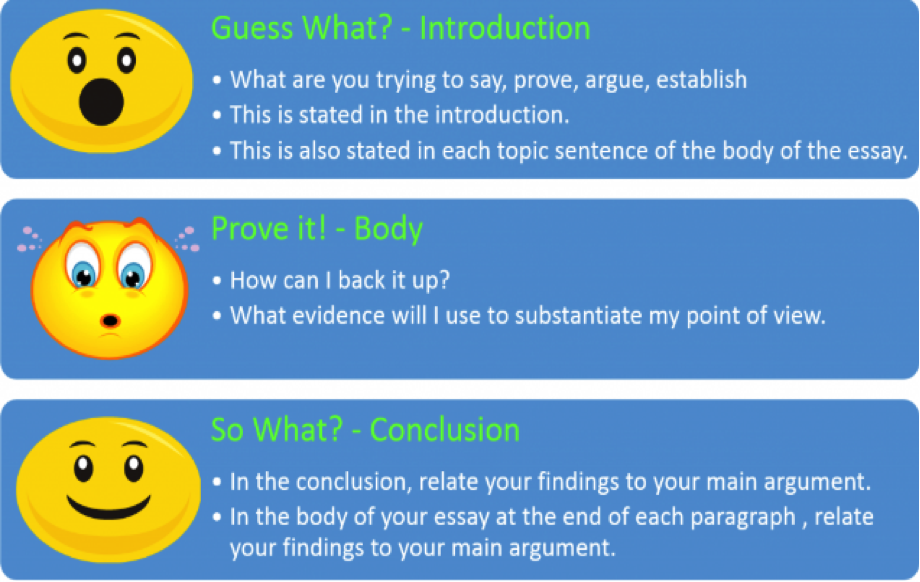
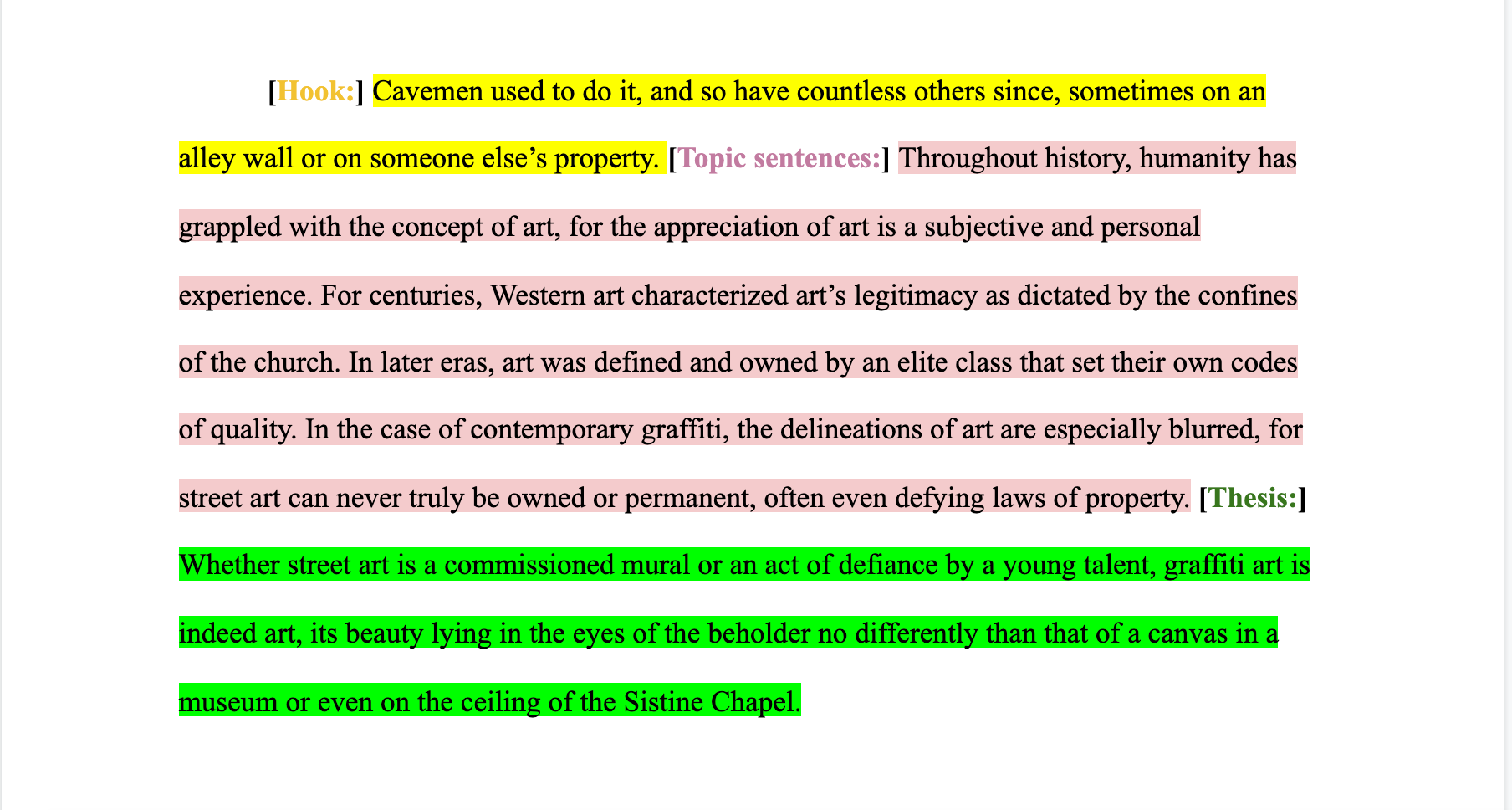
A strong thesis takes a specific, debatable position. Test it by asking “So what?” and “Who would disagree?” If you can’t answer compellingly, refine your argument until its significance is clear.
What’s the best way to organize my research?
Create a “living outline” that evolves as you learn. Link to sources, add quotes with full citations immediately, and organize by themes rather than forcing a predetermined structure.
Final Thoughts
College writing in 2026 requires a new kind of discipline. The students who succeed aren’t necessarily the most naturally talented writers. They’re the ones who approach assignments strategically, use technology wisely, and invest in genuine understanding. They know that shortcuts might save time today, but cost them opportunities tomorrow.
Your education is an investment in your future self. Protect that investment by doing work you can stand behind, developing skills that last, and maintaining the integrity that earns respect from professors and peers alike. The strategies in this guide will help you navigate modern academic challenges while building the expertise that truly matters.
How to Introduce Topics in an Essay
How to Introduce a Topic in an Essay Examples